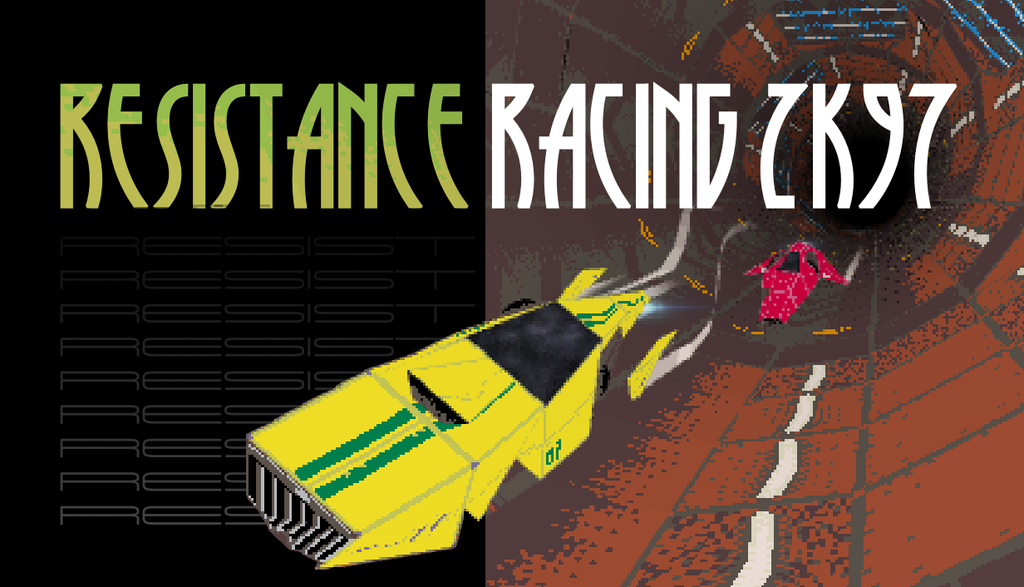
Prepare to rip through abandoned hyperloops and other postapocalyptic underground structures at break neck speeds to win the last seat in a rocket to mars - or so you are made to believe at least.
Images
Story
A rich elite has driven humanity underground in the wake of earths climate collapsing. Huge underground structures have been built to house humanity. A whole generation has never seen sunlight.
To pass the time and to possible gain a better life underground a racing leage was created: Formula Zero. To win the championship is to escape earth. But the game is rigged. Who is to be trusted?
- Talk to the other inhabitants that work for the leage or race themselves.
- Uncover the hidden truth behind the leage or escape to an uncertain future.
- Manage your craft to try and keep up with your rivals.
- Participate in the Resistance to bring down the leage and its upperclass leaders.
- Race to regain your freedom!
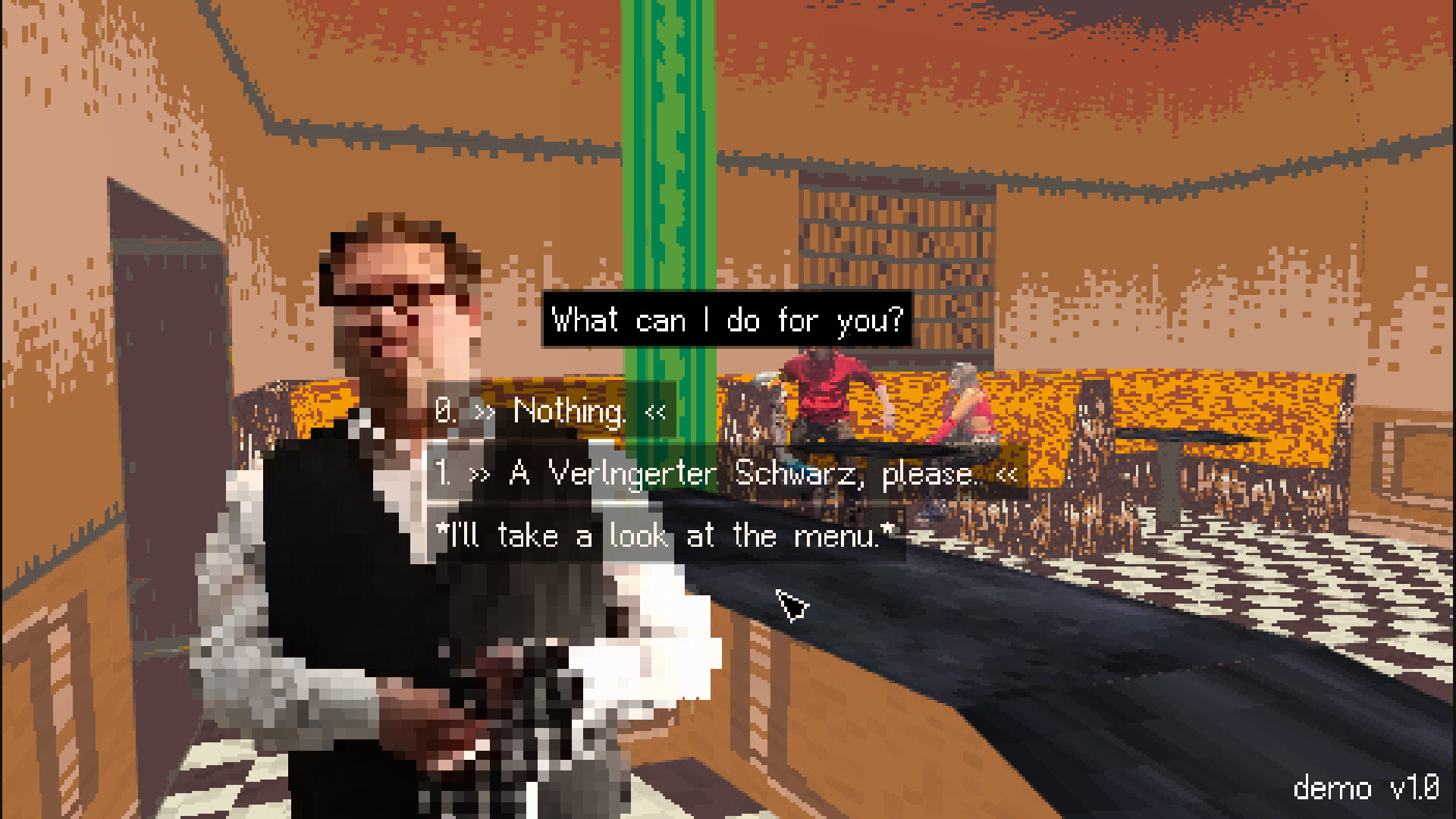
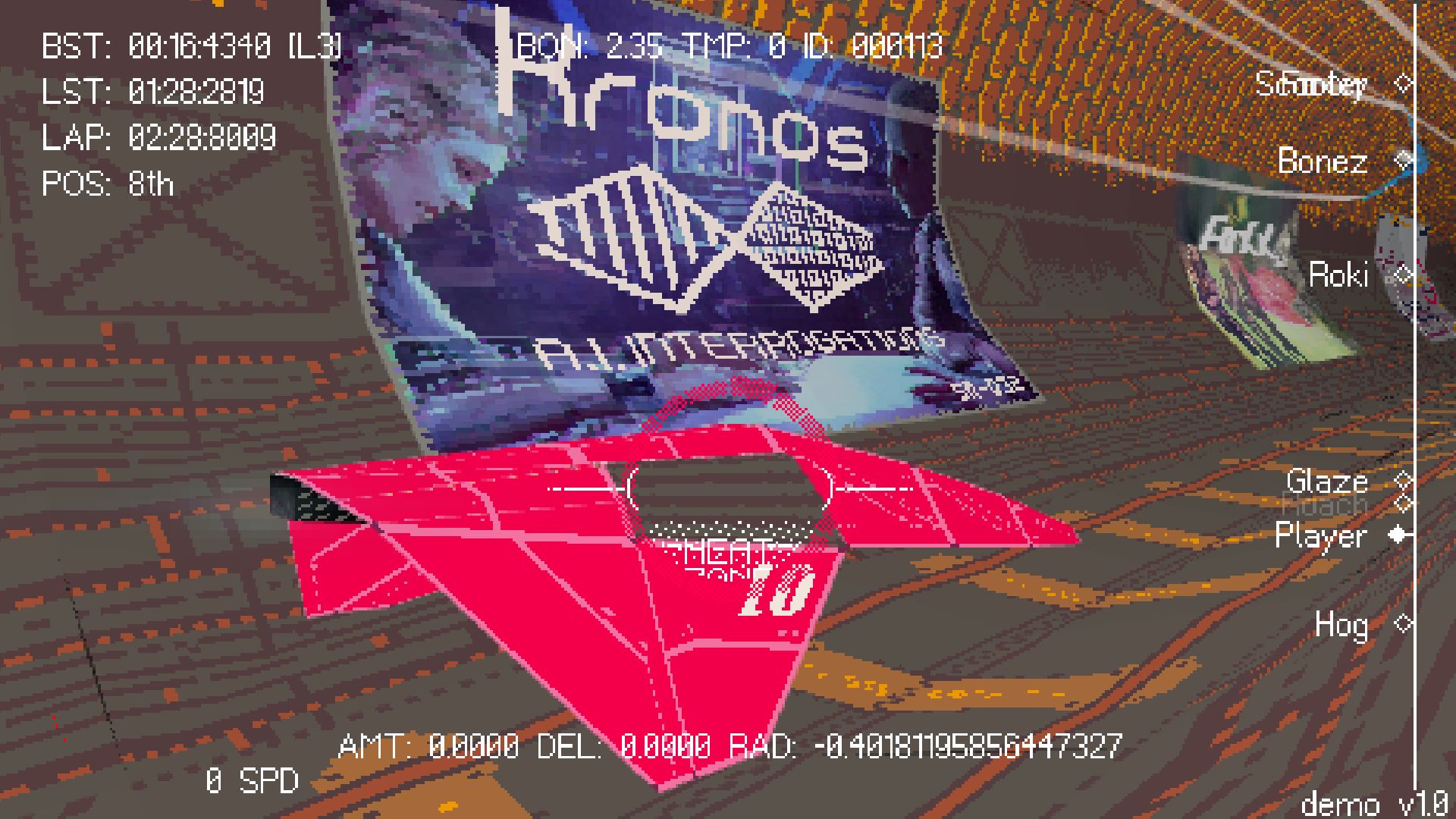
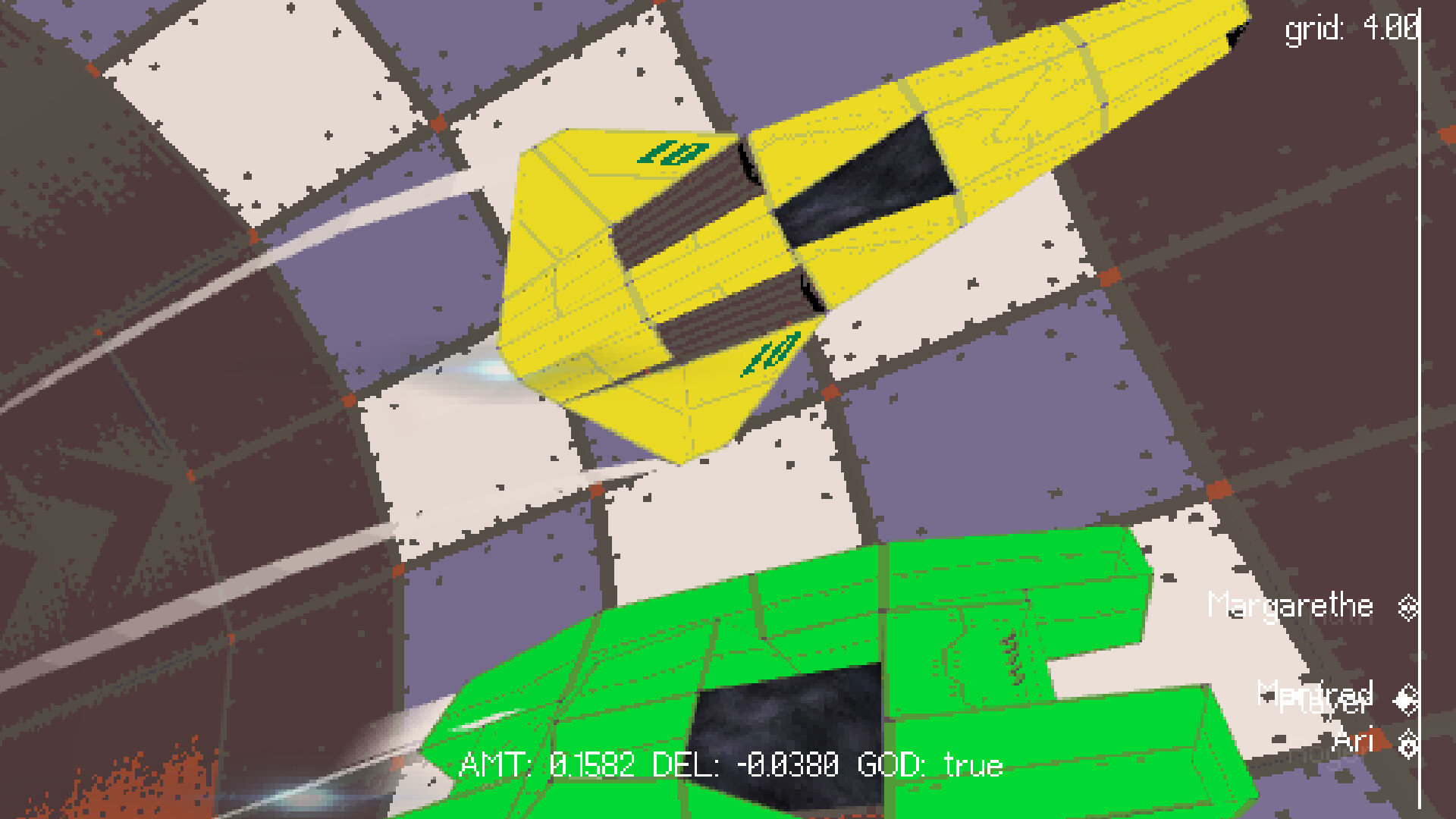
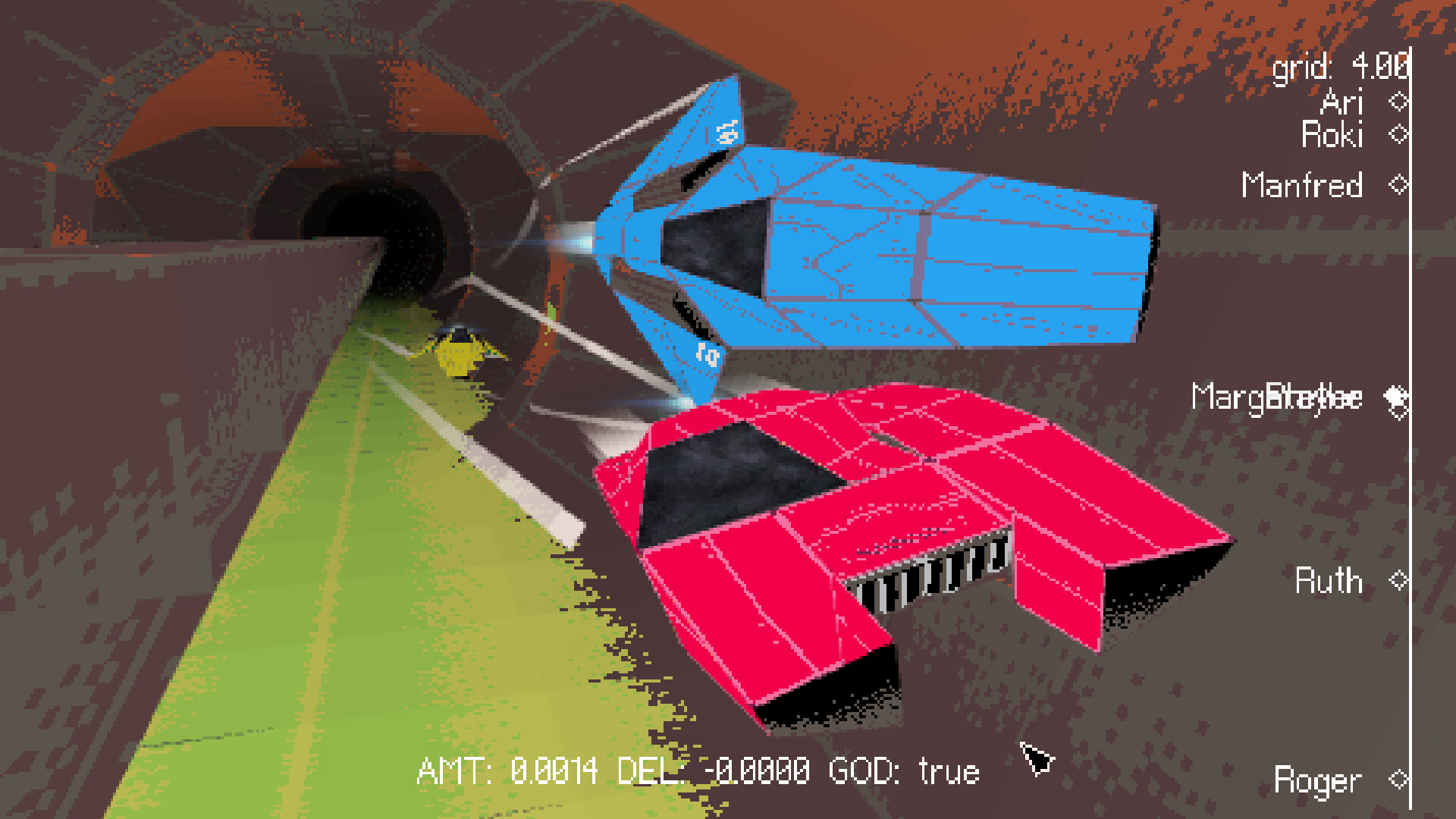
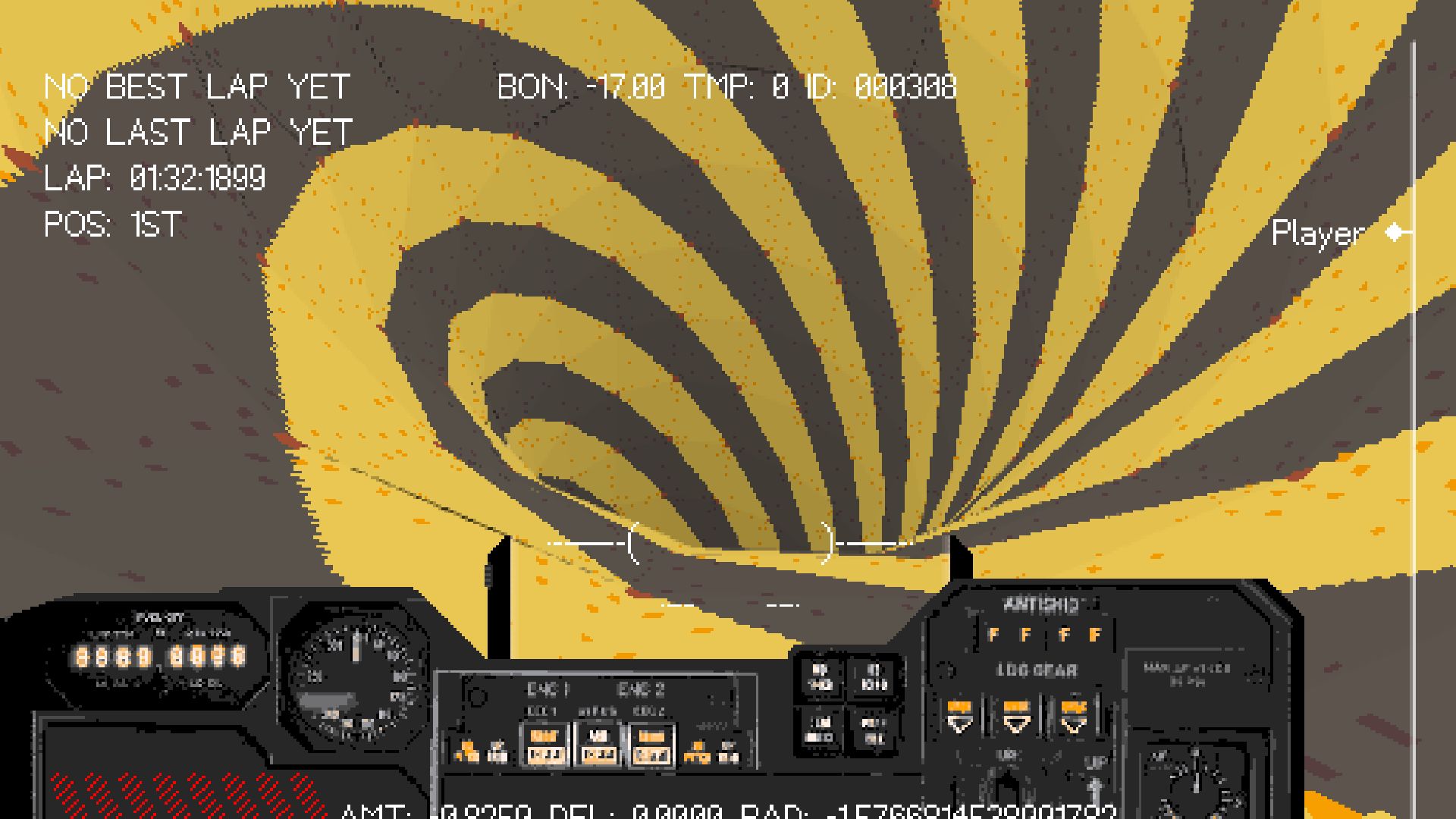
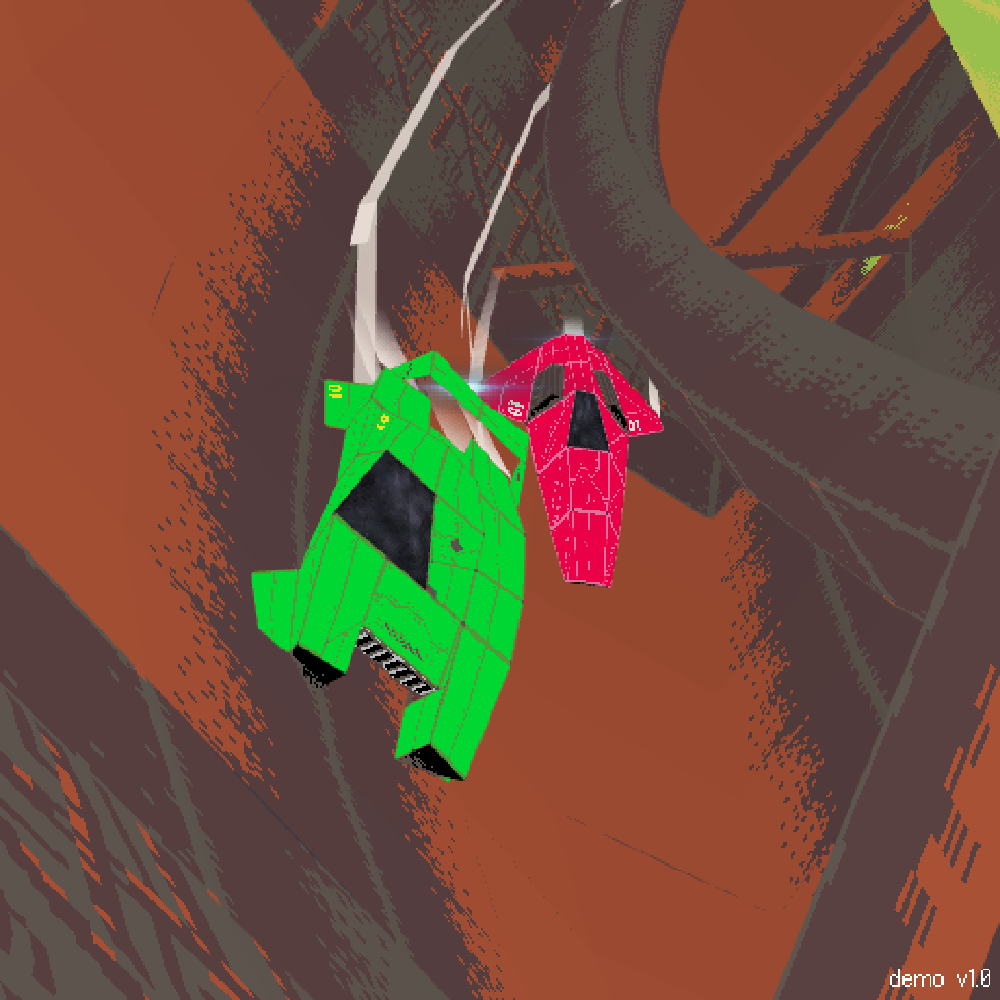
Explore your new home in first person. Talk to people and fulfill their quests to uncover more of this underground world. Jump into your antigravity craft and rip through the tunnels to progress in the leage. Find the perfect balance of slipstreaming your opponents, hugging the tunnelwalls, dodging obstacles and managing heat to get the highest speeds. Winning is not everything though.
>visit the game on steami want to learn more
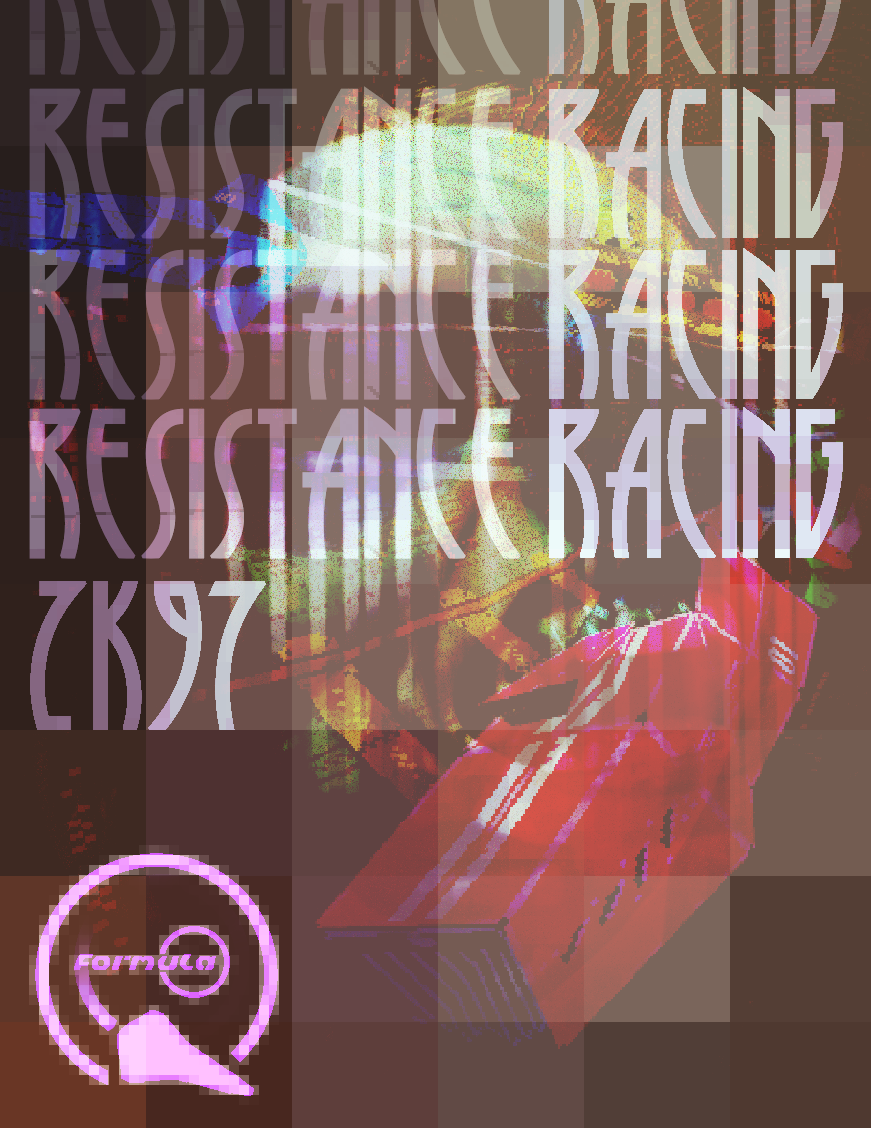
Resistance Racing 2k97 is a narrative racing game set in underground Vienna following a global climate collapse. The Earth’s surface is no longer habitable, and a wealthy elite has pushed the population to build a new world underground - a world that has enslaved itself that way. The narrative portion of the game explores the psychosocial dynamics of how such a society might work, while in the racing part, players are driven by their competitive instinct to win but must sometimes also forgo prizes or their in-game abilities to work against existing injustices within the storyline. This creates a role-playing game in the literal sense. In typical racing games, the player usually embodies only the car or a very superficially portrayed character who is often showered in money and vehicles but can only complete the game by winning all the races. In Resistance Racing, the player becomes an active character and can explore the game world at their own discretion, getting to know it and its inhabitants. This creates an intrinsic motivation to improve in the races or to drive the story forward by talking.
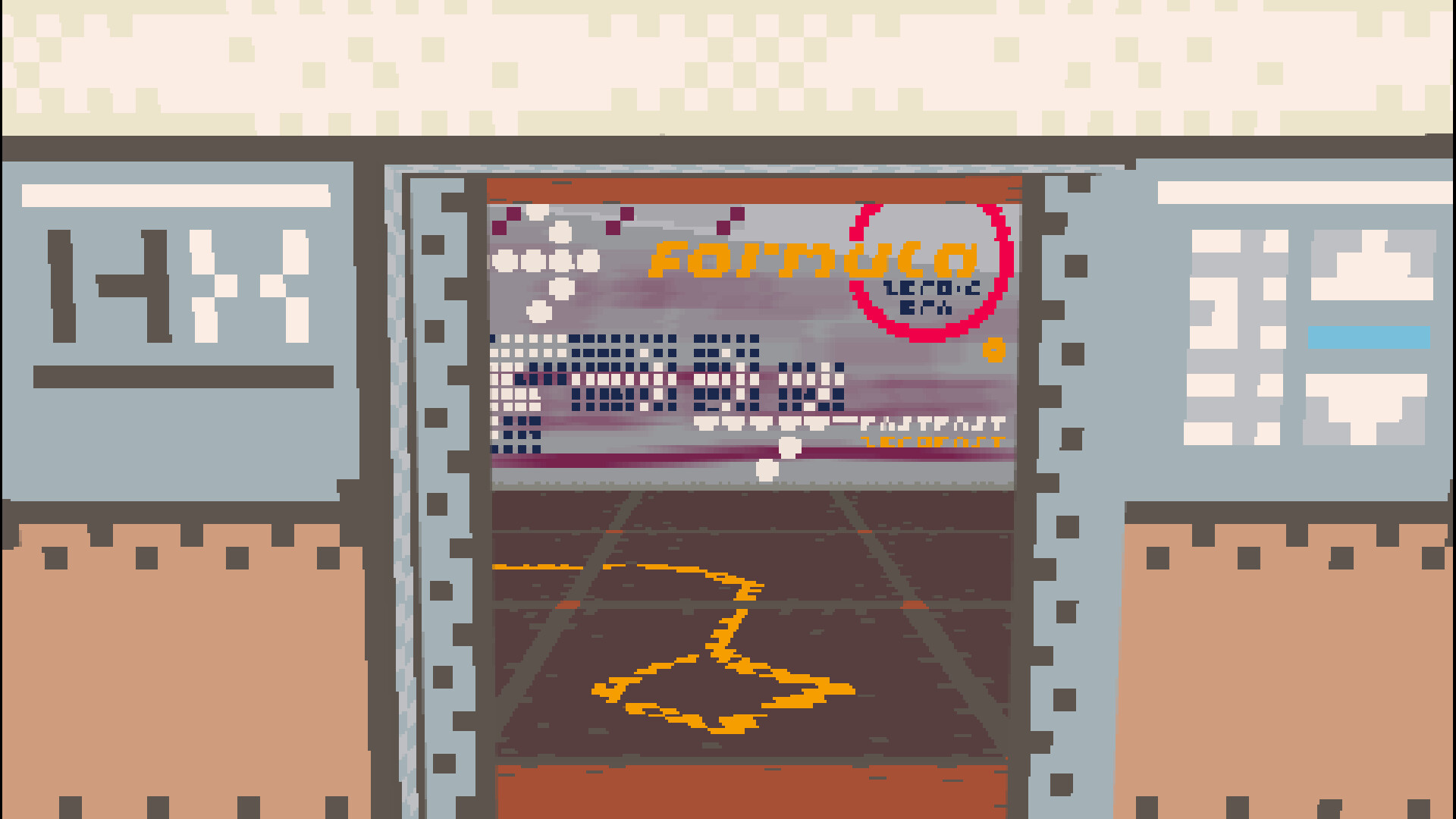
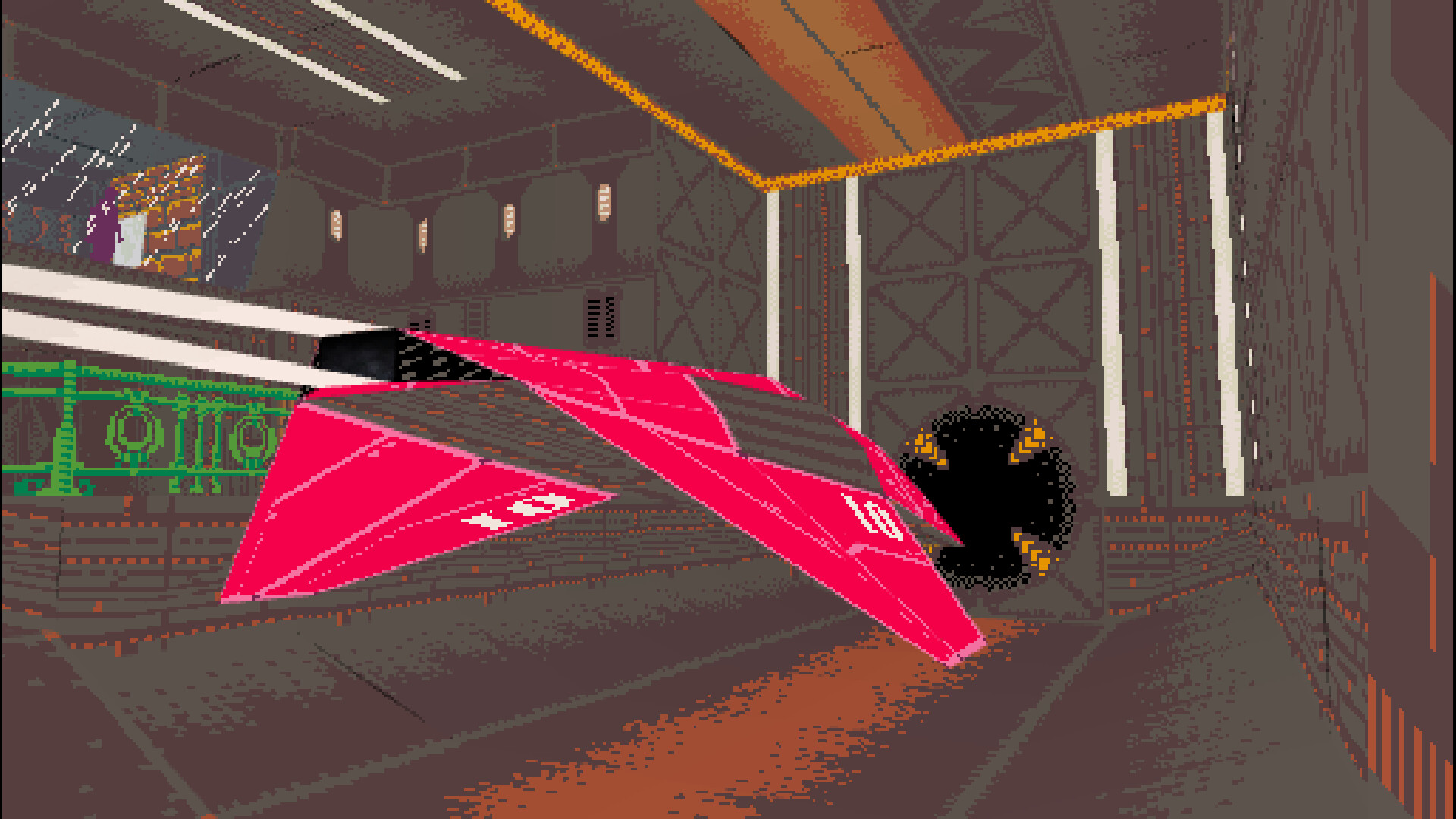
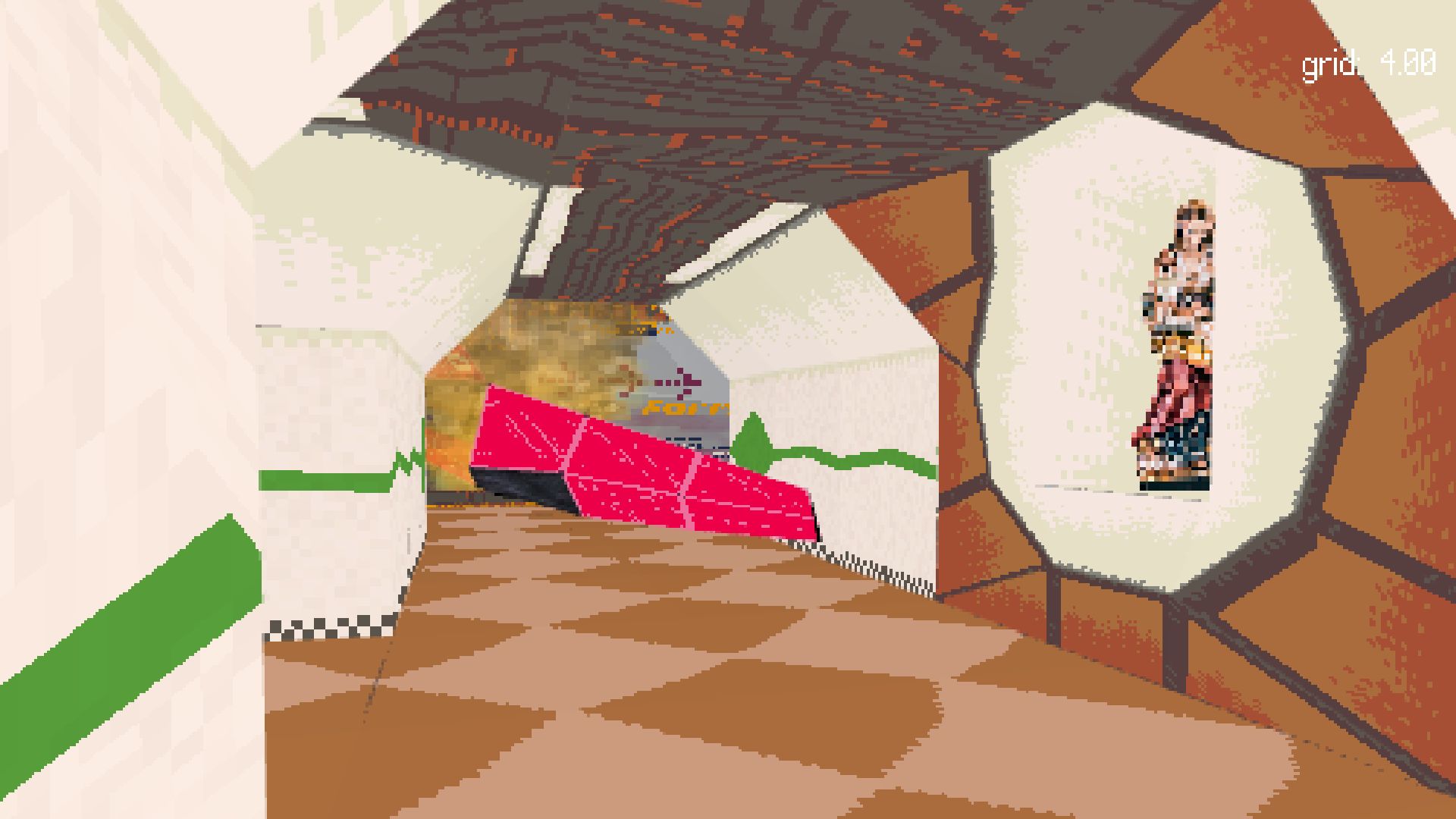
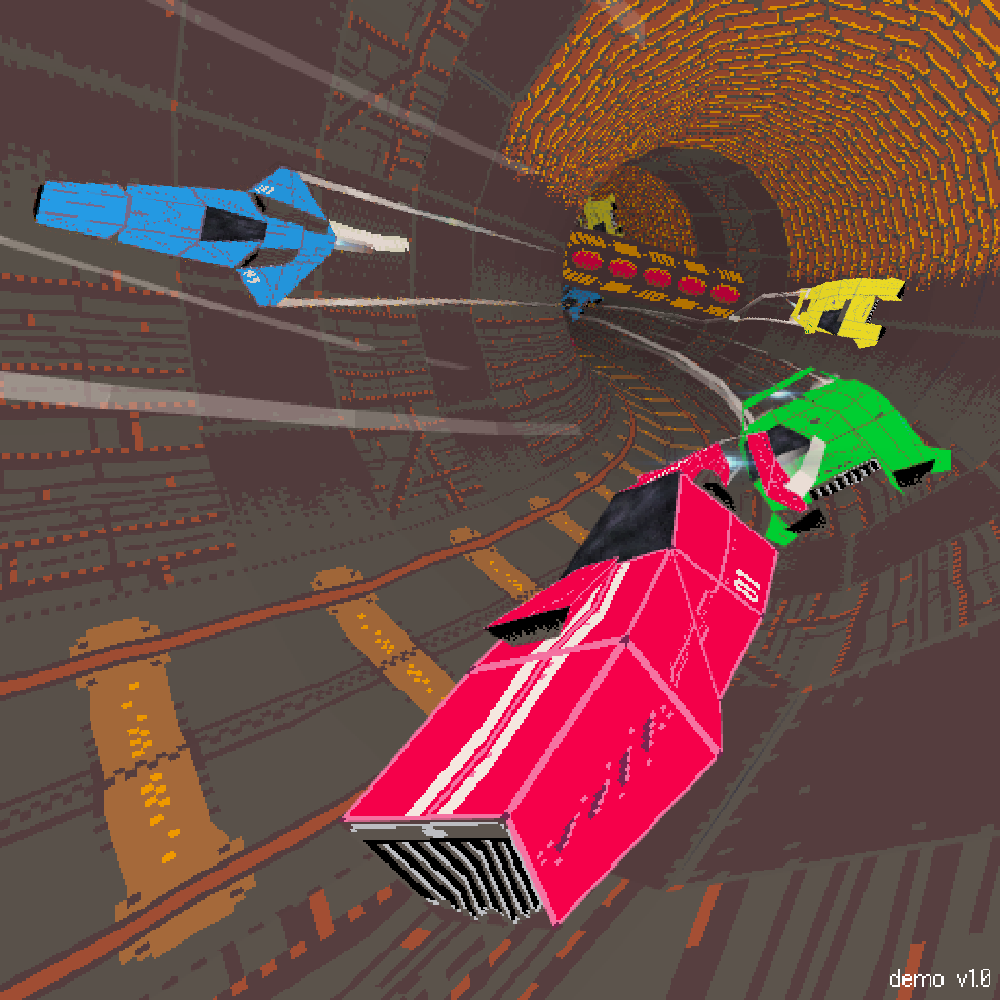
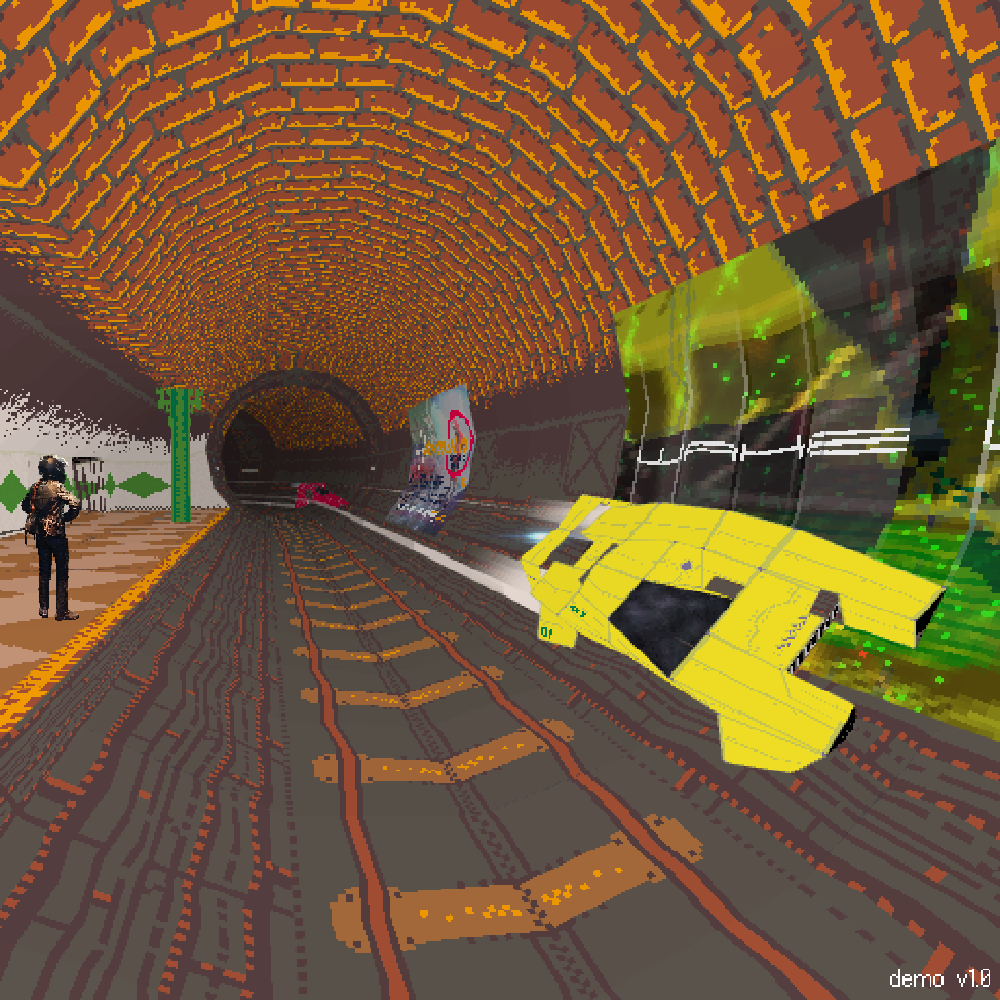
Visually, at first glance, the game evokes classic, futuristic racing games from the late ’90s and early 2000s, which often had a dystopian, rusty, run-down look—or a glassy, clean, and modern aesthetic.
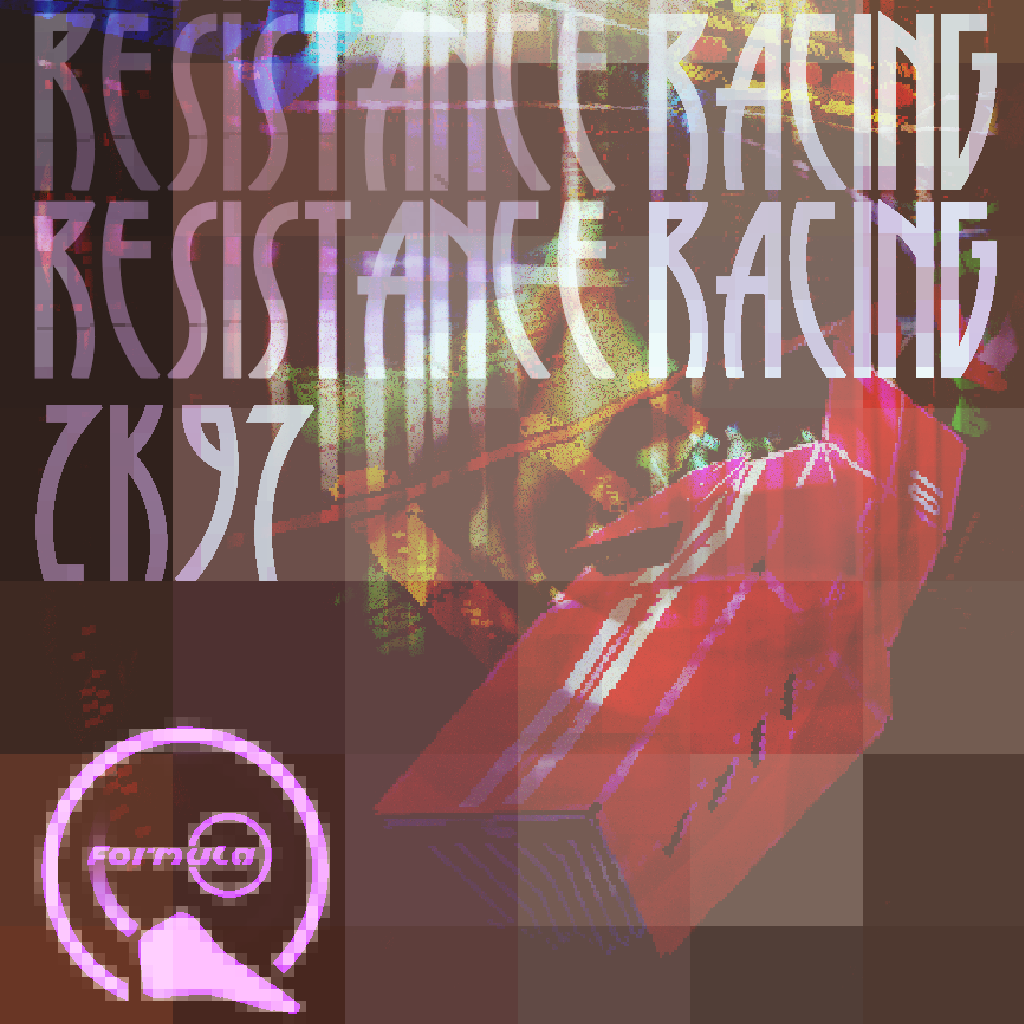
A major source of inspiration here is “The Designers Republic,” which created the advertising campaigns and in-game visual design for the Wipeout series. Wide, highly stylized lettering and vector-based graphics with strong contrasts that suggest high speeds through their form.
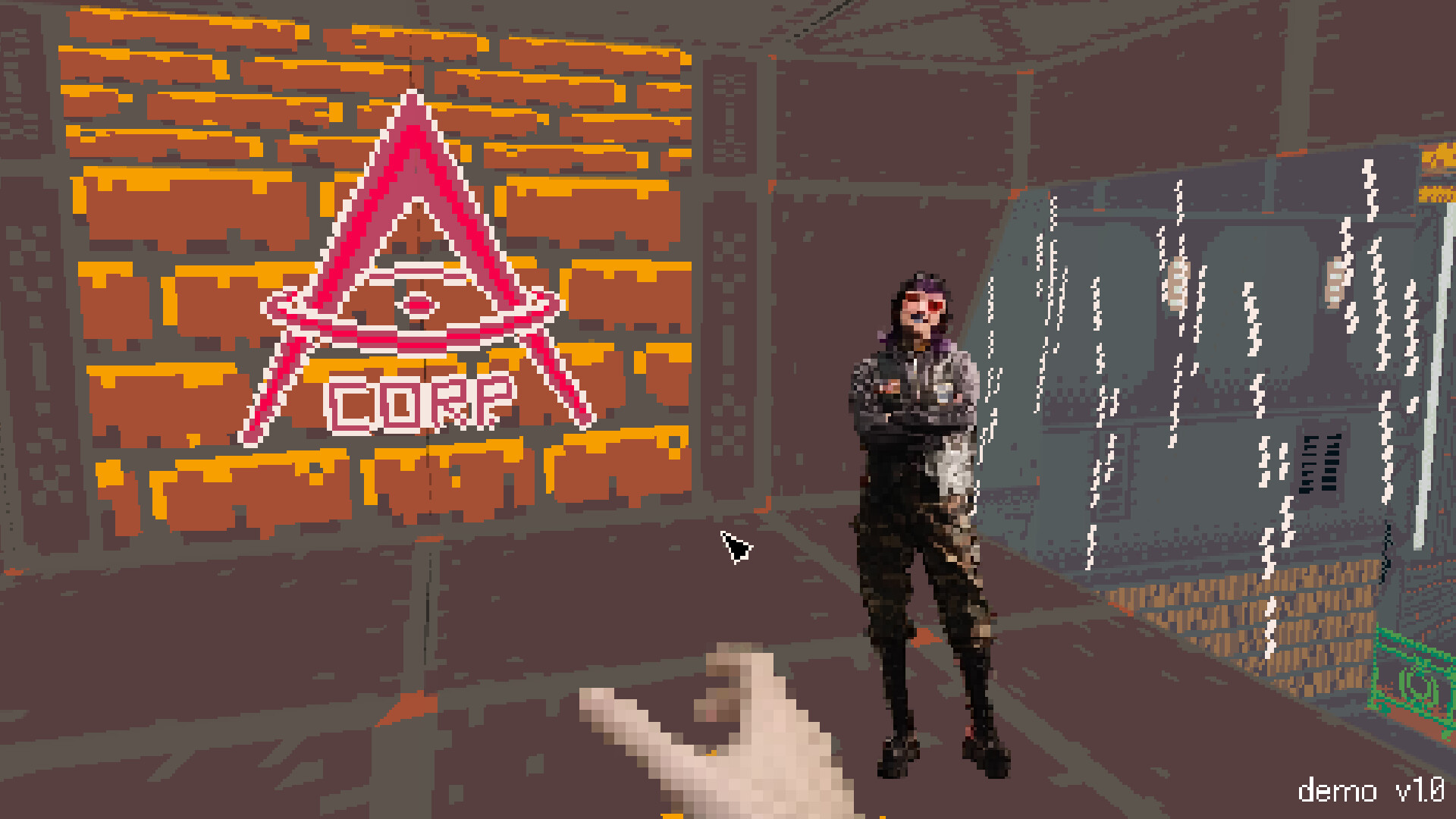
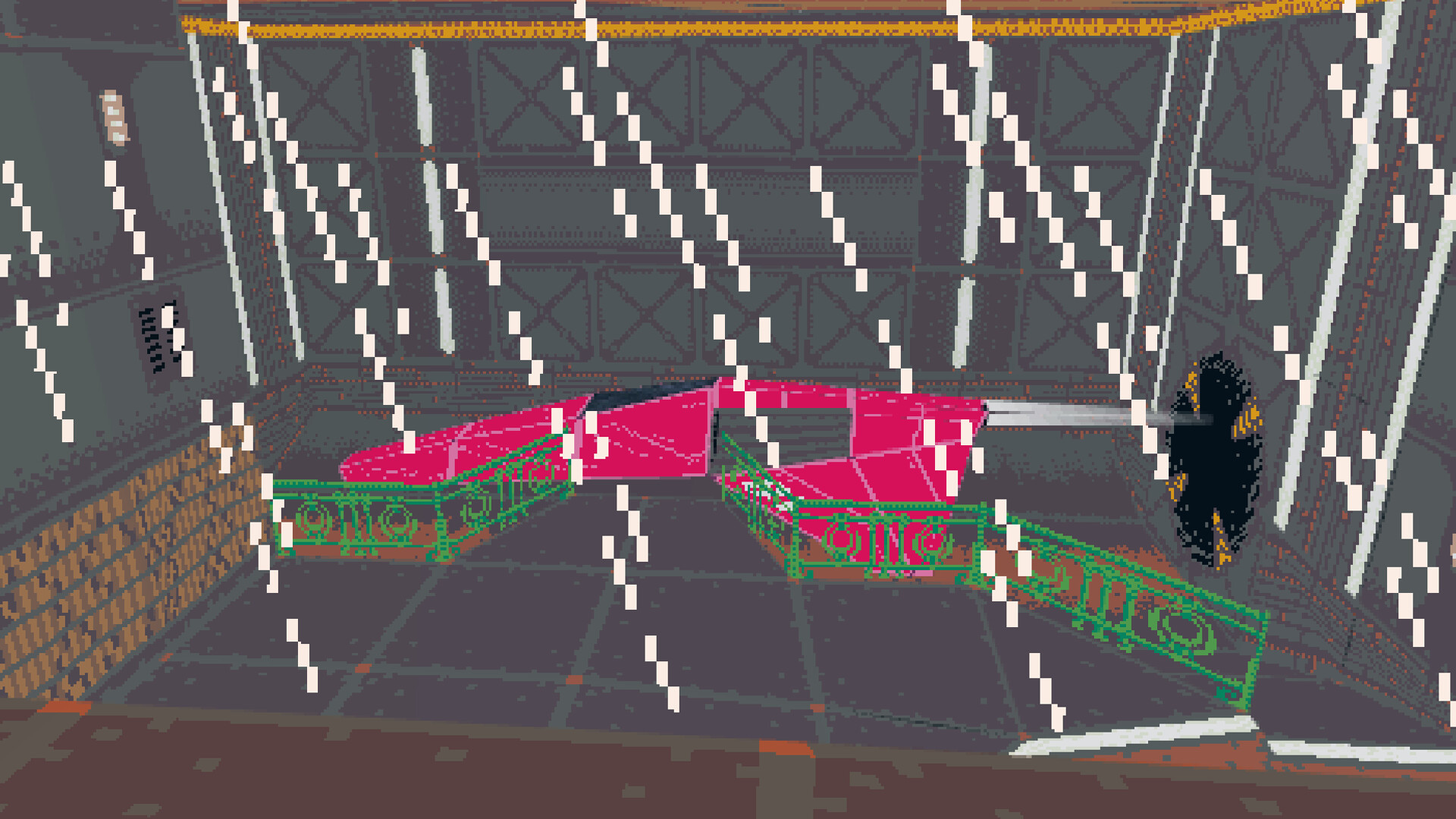
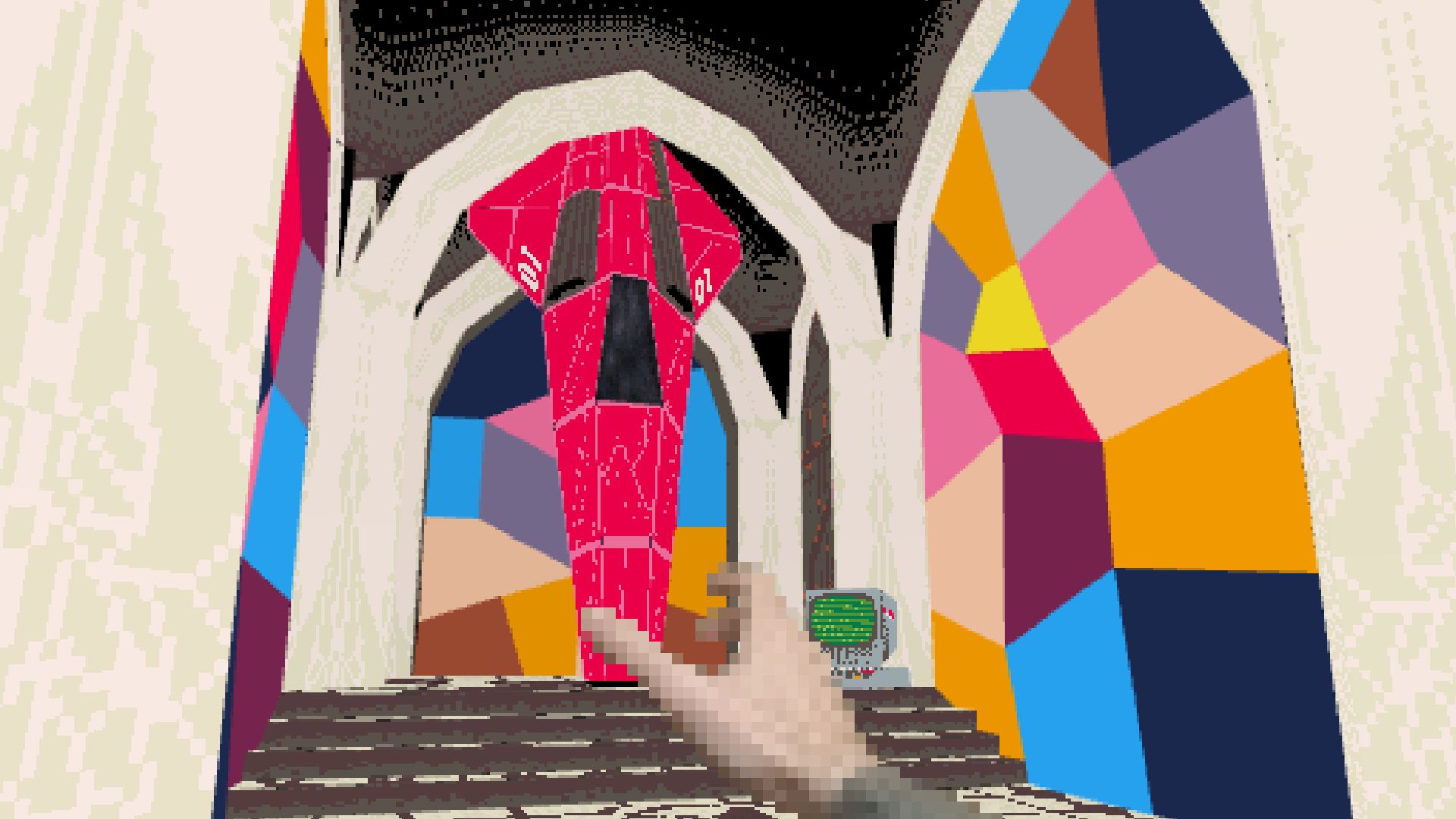
At second glance, the Viennese influence becomes apparent. Architectural features of Otto Wagner, the Wiener Werkstätte, and Art Nouveau depict a quintessential Vienna—but set in the future and underground. As in the first thirty years of the 20th century, a wealthy elite—accustomed to opulence but shaped by the war—faces off against a low-wage working class. Political unrest and advancing technology frighten the masses while allowing a select few to profit.
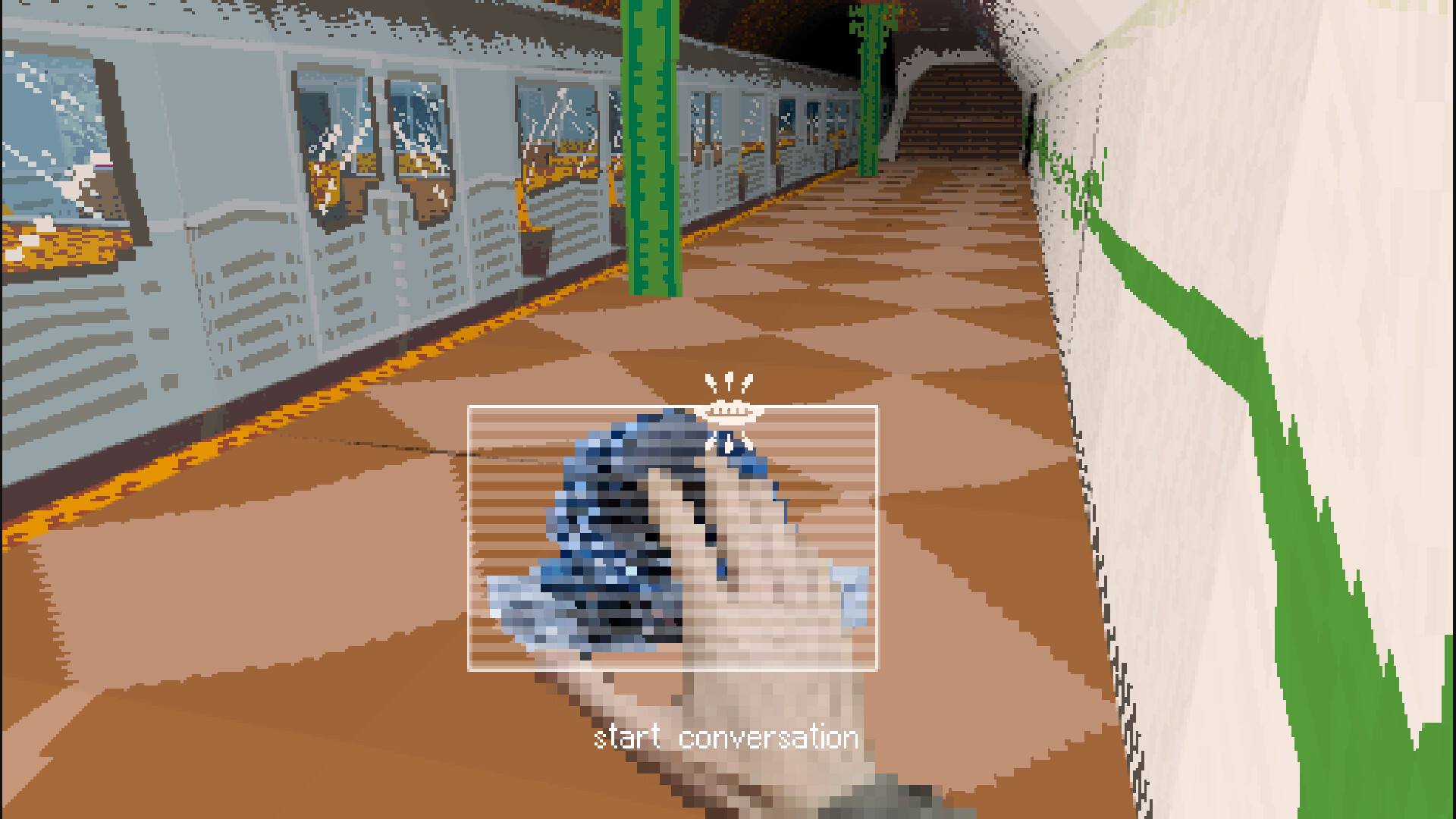
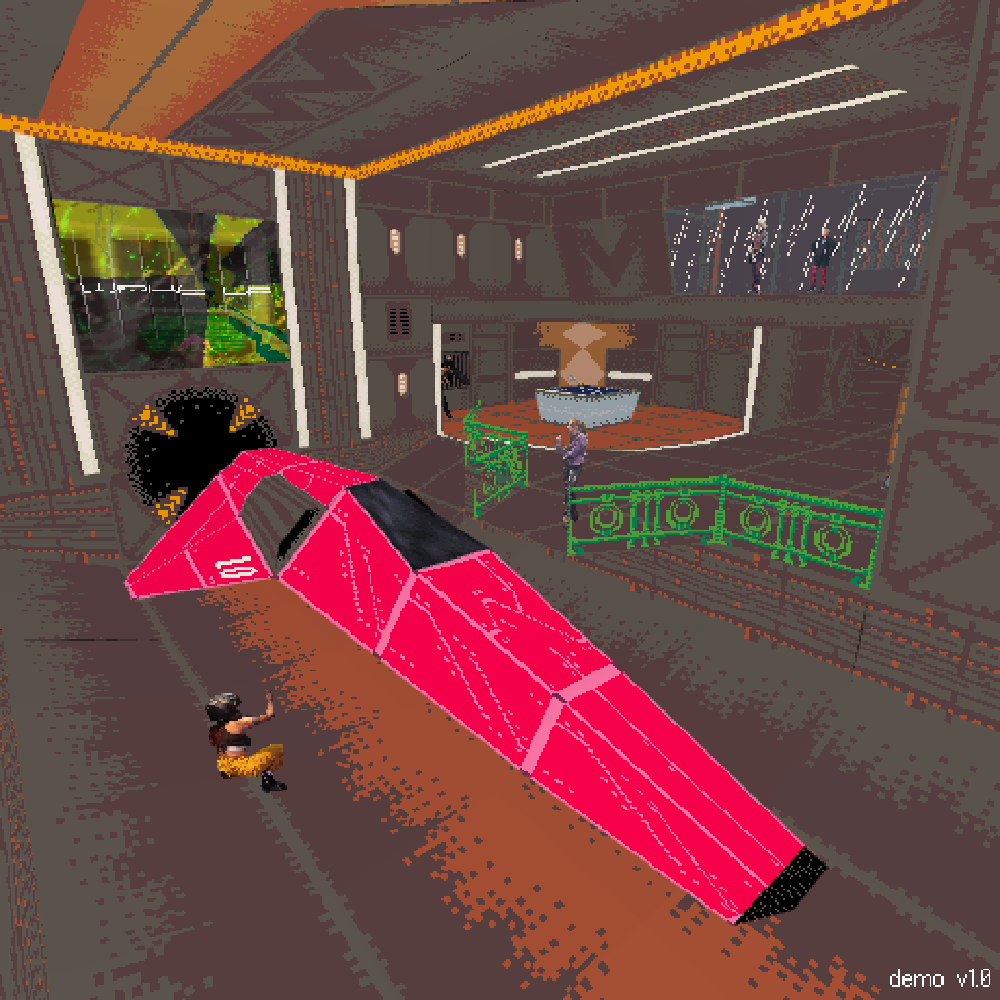
The underground world consists of old ruins, pipes, and improvised, pieced-together infrastructure, such as subway cars, shipping containers, and building sections that were once above ground.
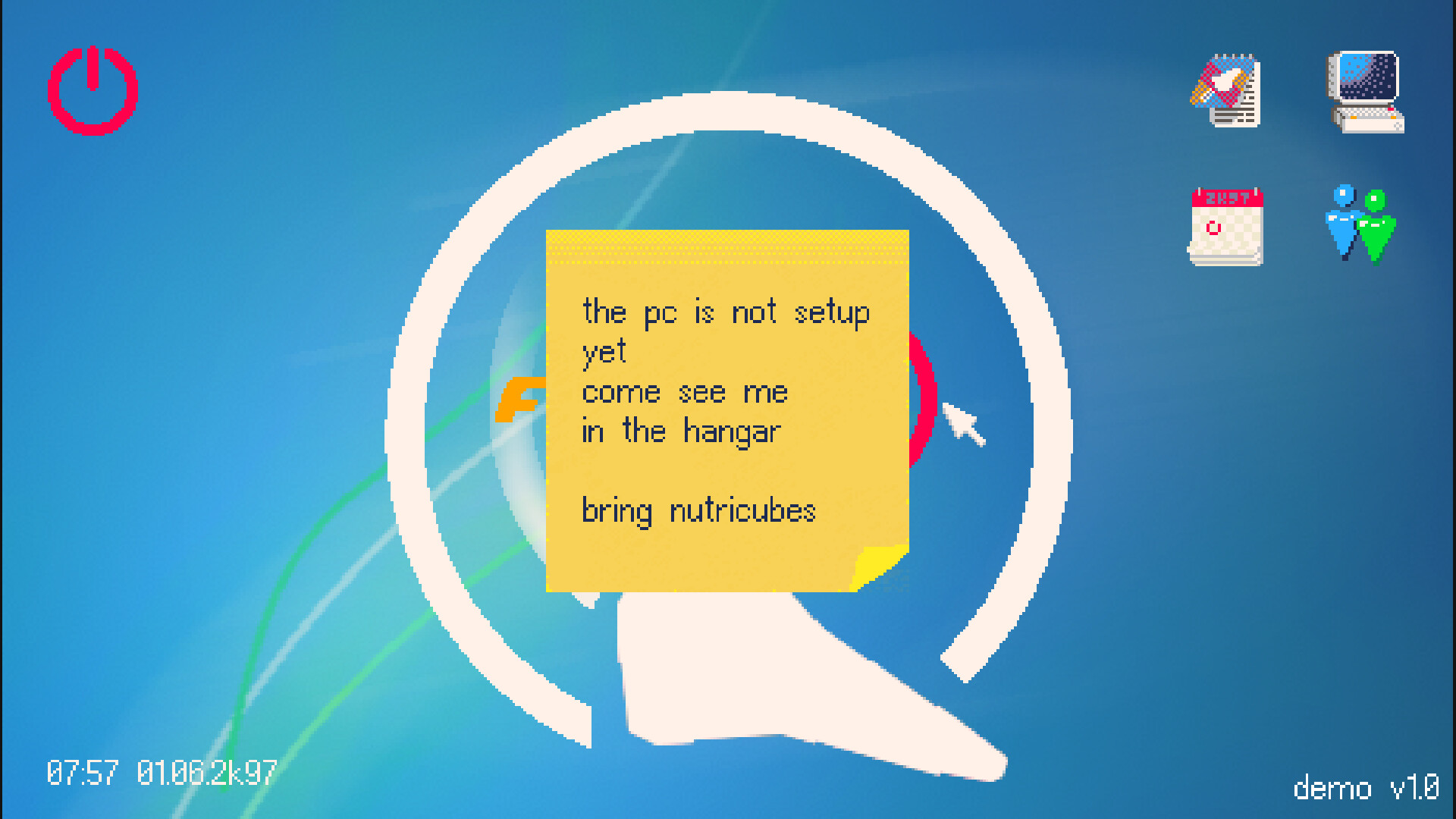
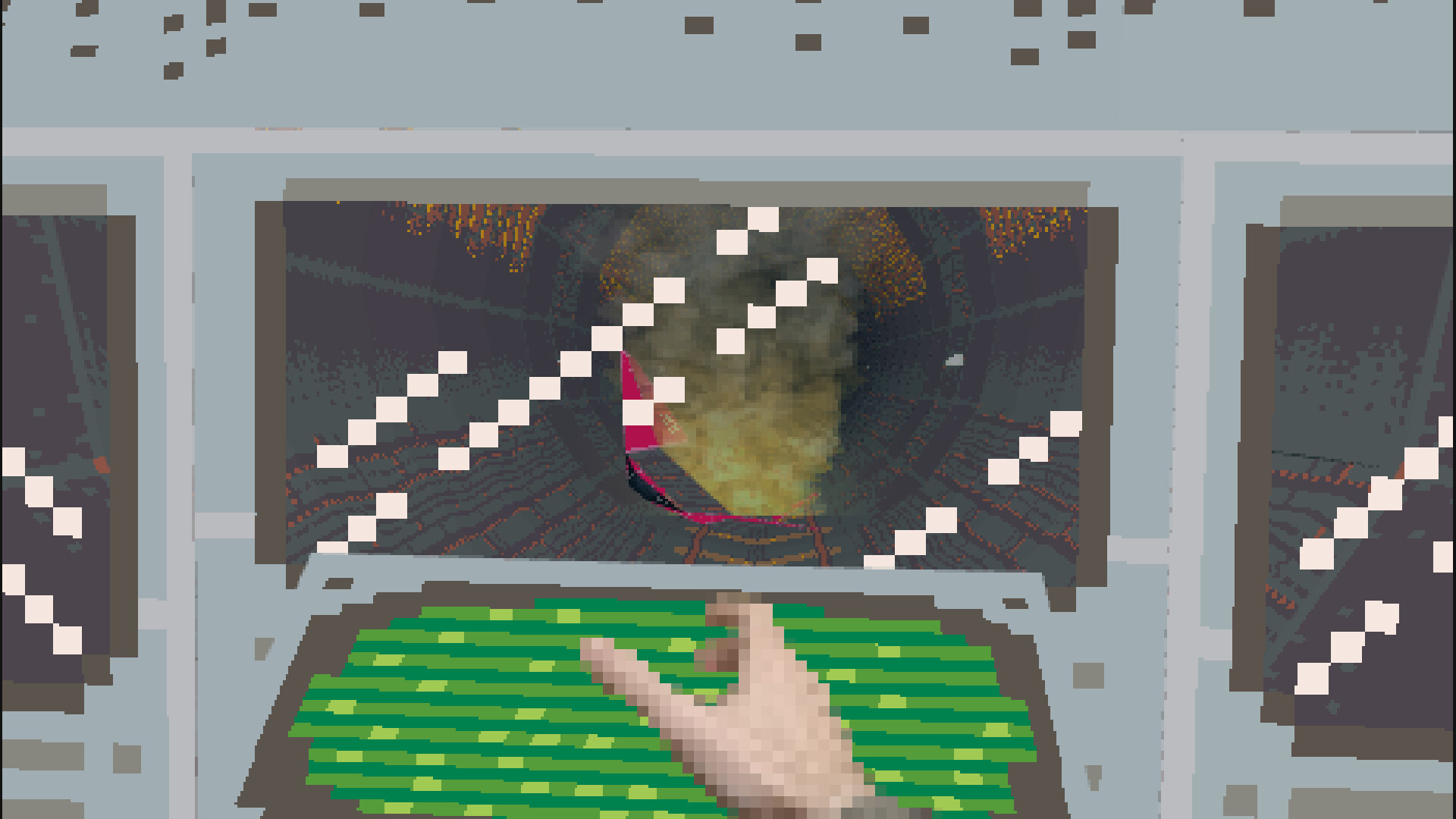
The game can be played entirely from a first-person perspective, and you are never forced out of this perspective (e.g., for a cutscene). This also ensures a seamless transition into races, into your own vehicle, and into other levels, while the new environment loads in the background. After the menu you maintain control over your character at all times.
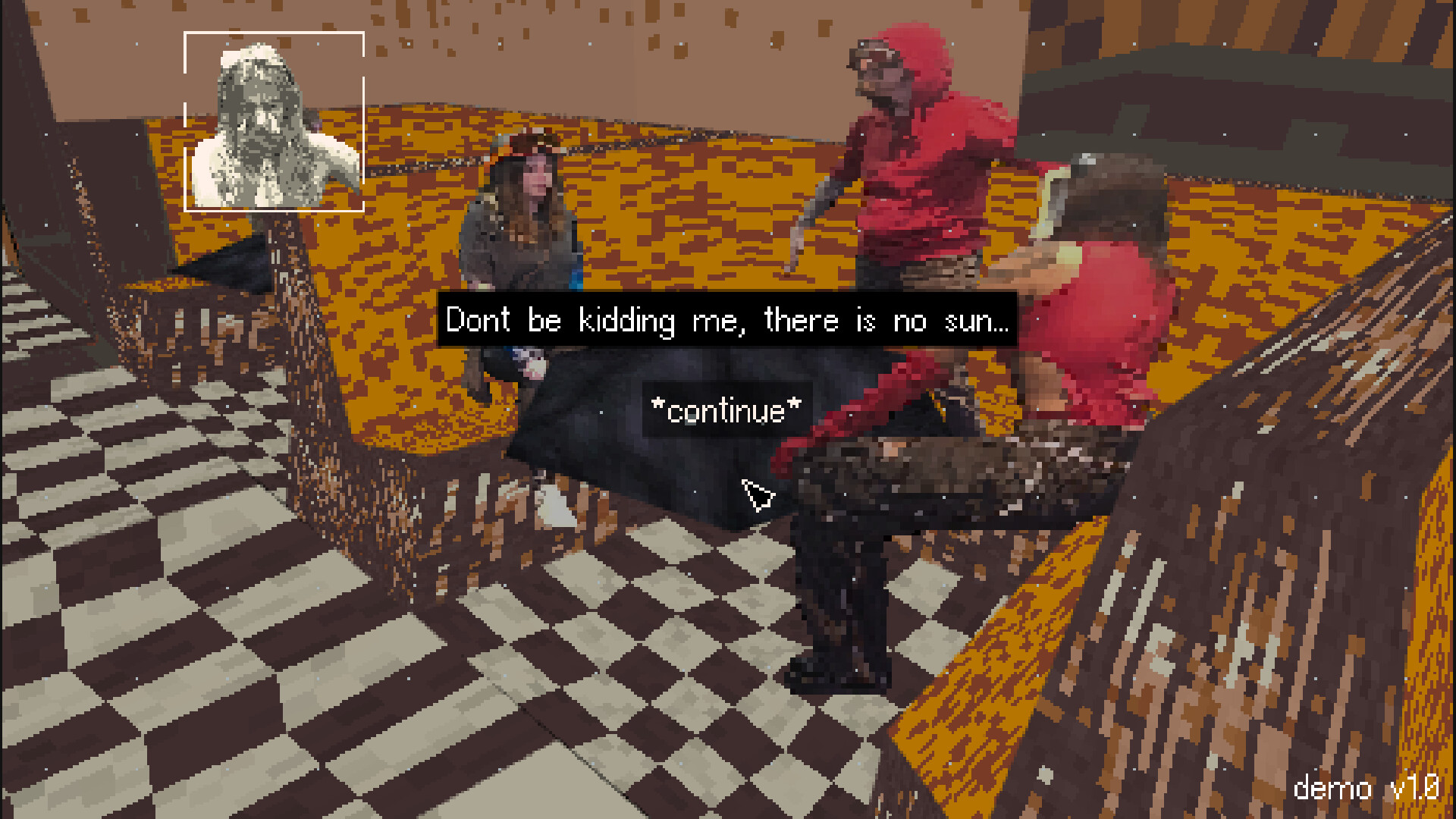
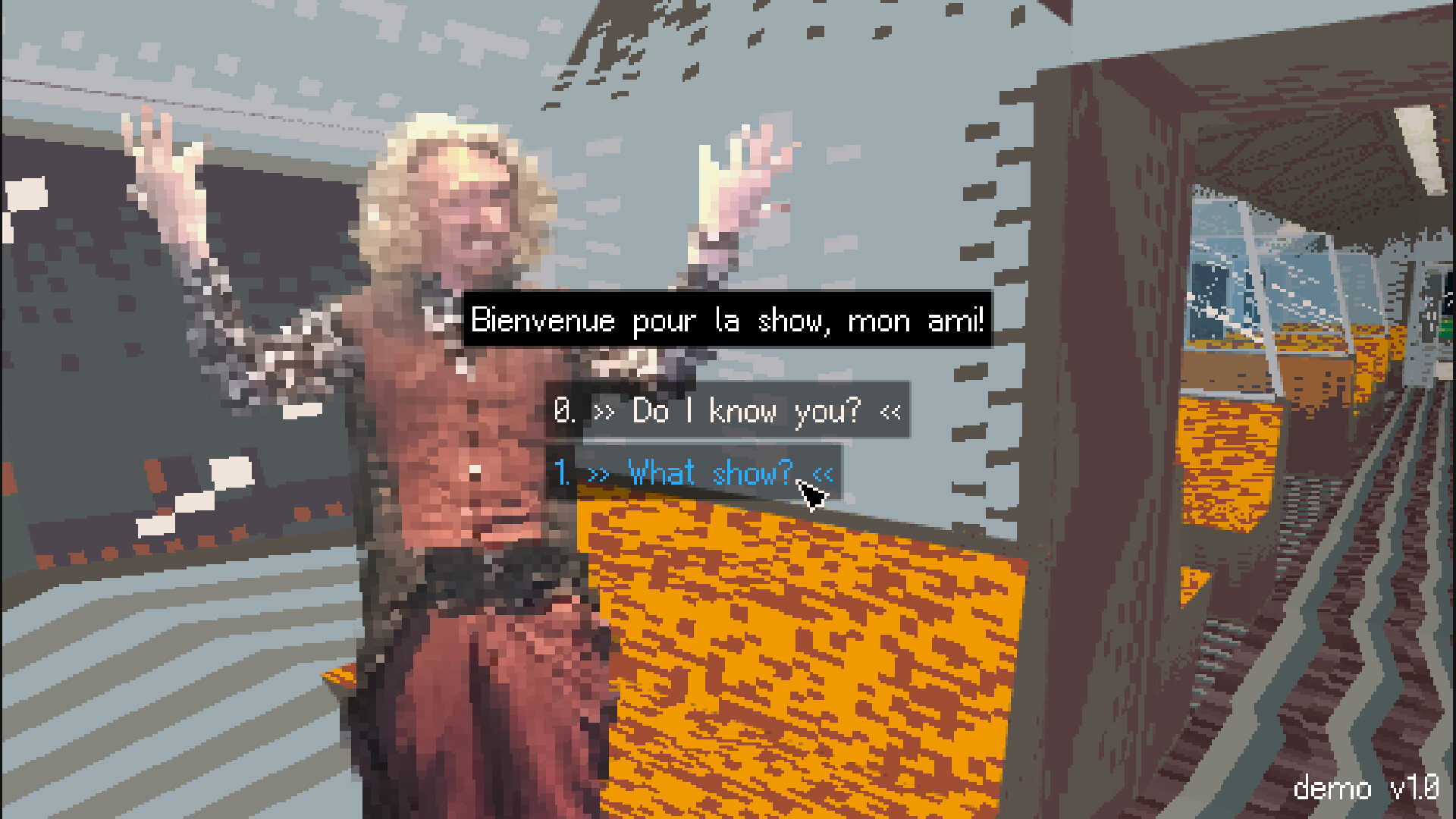
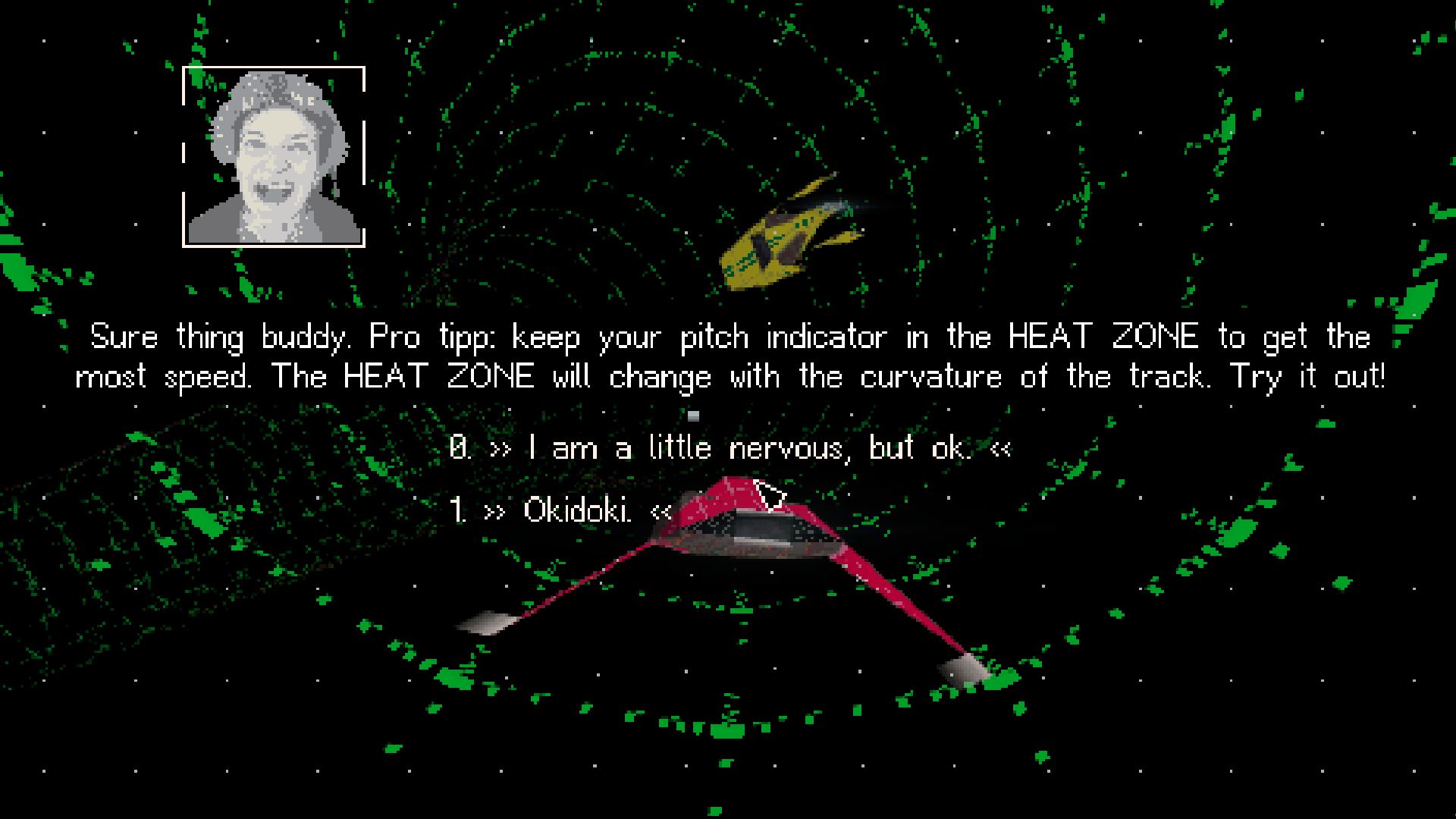
Conversations with other characters also maintain this perspective and, like a choose-your-own-adventure book, offer multiple response options that influence the course of the game. This allows players to discover new tasks and missions through social interactions. The game does not feature nonverbal violence, but instead shifts such confrontations to the racetrack.
The game world itself is divided into small hub worlds connected by elevators, which also physically segregate non-player characters by social class. The pilots-one (that you embody) are a privileged exception due to their role; they are allowed to move about somewhat more freely, though only within the areas designated for the racing league.
All of this is reminiscent of games from the early PlayStation era, blended with modern gameplay, storytelling, and established standards that players now expect—such as accessibility options (customizable controls, visual aids, etc.) and psychological and visual guidance for players.
Logos & Sticker







Videos
Various

Selected Articles
Resistance Racing 2k97: How Phaser Powers a Pseudo-3D Racing Game >phaser.io interview
Resistance Racing 2k97 at Radio FM4 indie area >fm4 indie area
Meet the Team
Programmer: Sebastian Merkl >linkedIn
Audio: Oliver Getz >linkedIn
Producer: Raffael Moser >linkedIn
Socials


home
information duty following §5 E-Commerce Gesetz, §14 Unternehmensgesetzbuch, §63 Gewerbeordnung und Offenlegungspflicht laut §25 Mediengesetz in Austria
Ancient Pixel
Sebastian Merkl
1110 Vienna, Austria